When you are getting ready to sell, it is natural to wonder where to spend money and where to save it. The truth is, not every improvement adds real value, and some can cost far more than they return.
The key is to focus on what improves buyer appeal, presentation, and confidence.
Start with the basics
Before anything else, deal with the obvious items. Buyers notice deferred maintenance quickly, and it can affect how they feel about the whole home.
Things like chipped paint, broken fittings, untidy gardens, stained carpet, loose handles, or old clutter do not always cost much to fix, but they can have a big impact on first impressions. If you want to understand those first impressions more clearly, this guide on what buyers notice in the first 30 seconds of a home viewing is a useful companion piece.
Presentation matters more than many people think
A clean, tidy, well-presented home often performs better than a home with expensive upgrades but poor presentation. Buyers want to feel like the property has been cared for.
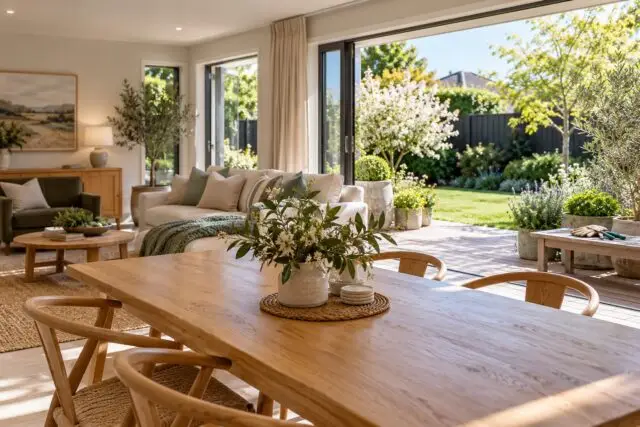
Simple improvements like fresh paint, better lighting, decluttering, clean windows, trimmed gardens, and tidy outdoor areas can make a huge difference in how your home photographs and how it feels in person. For a deeper presentation checklist, see styling your property to sell.
Areas that often add value
The improvements that usually have the strongest impact are the ones that make the home feel fresher, lighter, and easier to move into.
These often include:
- Fresh neutral paint
- Replacing badly worn flooring
- Updating tired light fittings or curtains
- Refreshing kitchens and bathrooms without a full renovation
- Improving street appeal
- Fixing maintenance issues that may worry buyers
You do not always need a major renovation. Often, a well-targeted refresh is enough.
What often doesn’t add enough value
Some upgrades simply do not return what people spend on them, especially if the home is in a more mid-range price bracket.
This can include:
- Expensive high-end kitchens in average homes
- Luxury extras that do not suit the neighbourhood
- Highly personal design choices
- Overcapitalising on landscaping
- Big renovations done just before sale without time to recover the cost
The goal is not to create your dream home right before selling. The goal is to make the property broadly appealing to the next buyer.
Think like a buyer
Buyers tend to notice the same things first:
- Street appeal
- Cleanliness
- Light
- Smell
- Space
- Overall condition
If those key areas feel right, buyers are more likely to respond positively to the home as a whole. For practical exterior-preparation ideas, these ways to prepare the outside of your home to sell can help you prioritise the visible wins.
Get advice before spending too much
Every property is different. What makes sense for one home in Palmerston North may not be right for another in Feilding or a lifestyle property in the wider Manawatū.
Before spending money, it is worth getting advice from someone who understands what buyers in your area are looking for. In many cases, a few smart improvements can outperform a much bigger renovation budget.
Final thoughts
The best pre-sale improvements are usually the practical ones. Clean up the maintenance, improve presentation, and focus on what gives buyers confidence.
You do not need to do everything. You just need to do the right things.
If you want help deciding what is worth doing before you sell, Team Ants can give you straight-up advice tailored to your property, your market, and the improvements most likely to matter to buyers.
Quick Q&A for Sellers
What improvements usually add the most value before selling?
The work that usually helps most is the work that improves buyer confidence. That often means maintenance, presentation, and practical improvements in the spaces buyers notice first.
What spending often does not pay off before a sale?
Highly personal upgrades and broad projects without a clear buyer benefit often struggle to return their cost.
How do I decide what to do first if my budget is limited?
Start with visible issues that cause hesitation, then move to presentation. A focused shortlist usually performs better than trying to do everything.
Related reading: Preparing your home for market this spring, Why a bigger garage can add value, and Styling your property to sell.
Want the fuller step-by-step picture? See Preparing to Sell in our Buyer & Seller Guide.